
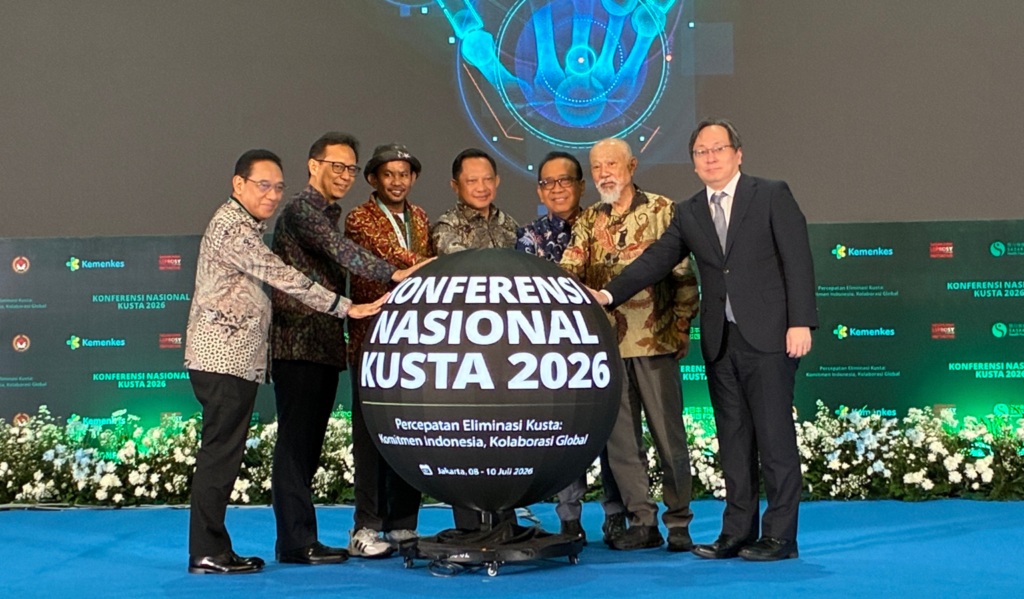
From July 8 to 10, 2026, the 2026 National Leprosy Conference was held in Jakarta, Indonesia. Indonesia remains one of the countries with the highest number of new leprosy cases globally, reporting more than 15,000 new cases annually. The conference brought together more than 875 participants, including representatives from the Ministry of Health, relevant government ministries and agencies, local governments from all 38 provinces, experts, research institutions, and organizations of persons affected by leprosy.
Over the three days, participants engaged in comprehensive discussions on policies, healthcare services, social inclusion, research, and community-based initiatives aimed at addressing leprosy-related challenges. The conference demonstrated Indonesia’s strong commitment to accelerating efforts through collaboration between national and local governments.
Day 1: Technical Sessions — Sharing Challenges and Strategies Across Provinces
The first day featured technical sessions attended by 161 participants, including officials for leprosy control from the Ministry of Health and health offices of all 38 provinces. Participants shared updates on the current situation of leprosy in each region, identified challenges, and discussed future strategies.
The sessions covered a wide range of topics, including progress toward leprosy control targets, the procurement and supply of multidrug therapy (MDT) and medicines for leprosy reactions, the Free Health Check (CKG) program, and other key areas requiring further strengthening.
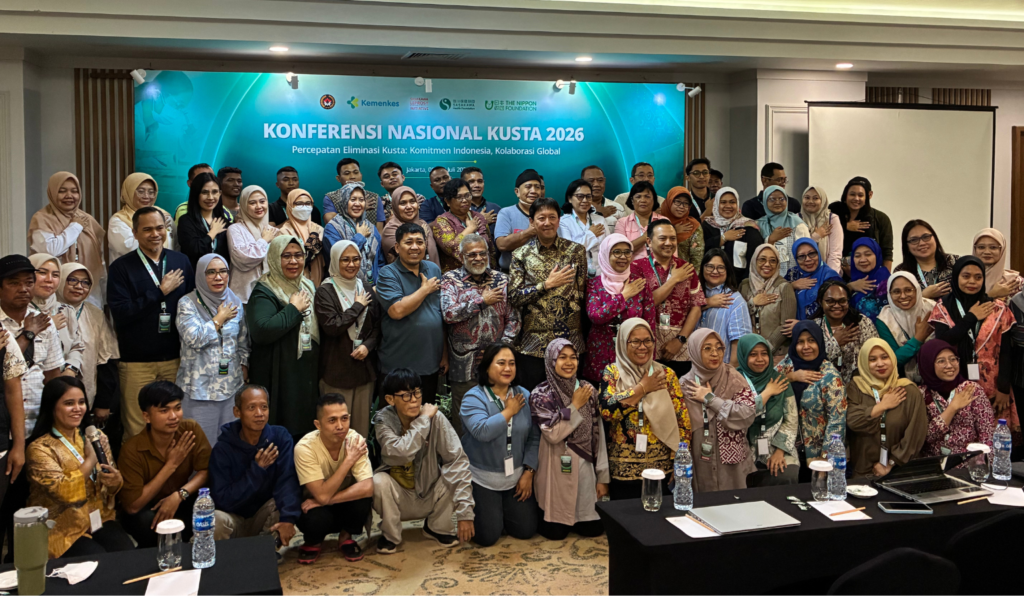
Day 2: Panel Discussions — Exploring Policies, Social Inclusion, and Research from Multiple Perspectives
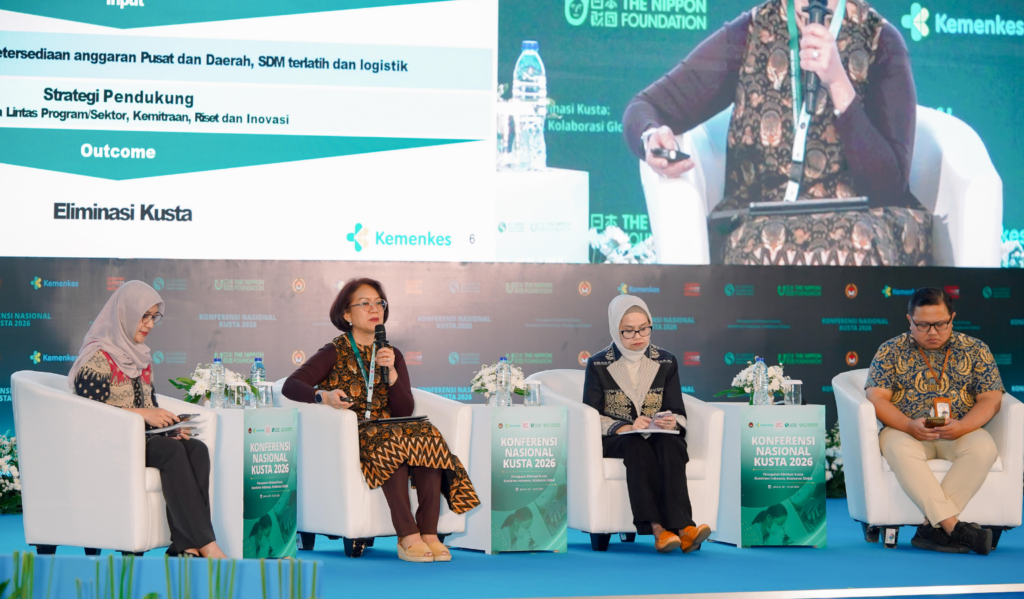
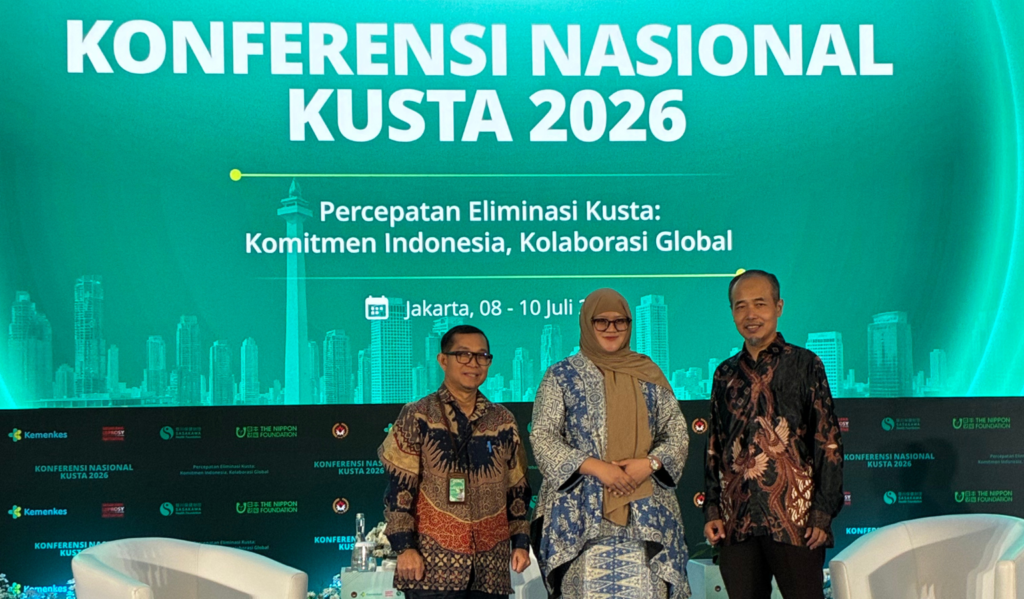
On the second day, 286 participants took part in panel discussions involving government ministries, experts, organizations of persons affected by leprosy, and research institutions. The discussions highlighted that addressing leprosy requires not only medical interventions but also coordinated action across multiple sectors, including policy, social protection, education, employment, and research.
In the session on policy implementation, the Ministry of Health presented priority areas for strengthening health programs to accelerate leprosy control. The Indonesian Association of Dermatologists (PERDOSKI) discussed the role of professional associations in clinical management and improving leprosy services. The Social Security Agency (BPJS) also introduced healthcare financing mechanisms available for persons affected by leprosy at hospitals and community health centers.
A session on social inclusion and economic empowerment of persons affected by leprosy provided an important opportunity for representatives of persons affected by leprosy to share their experiences, including the discrimination and stigma they continue to face in their daily lives. The discussion emphasized the importance of creating an inclusive society where persons affected by leprosy can participate in social and economic activities. The Ministry of Social Affairs introduced initiatives supporting social reintegration.
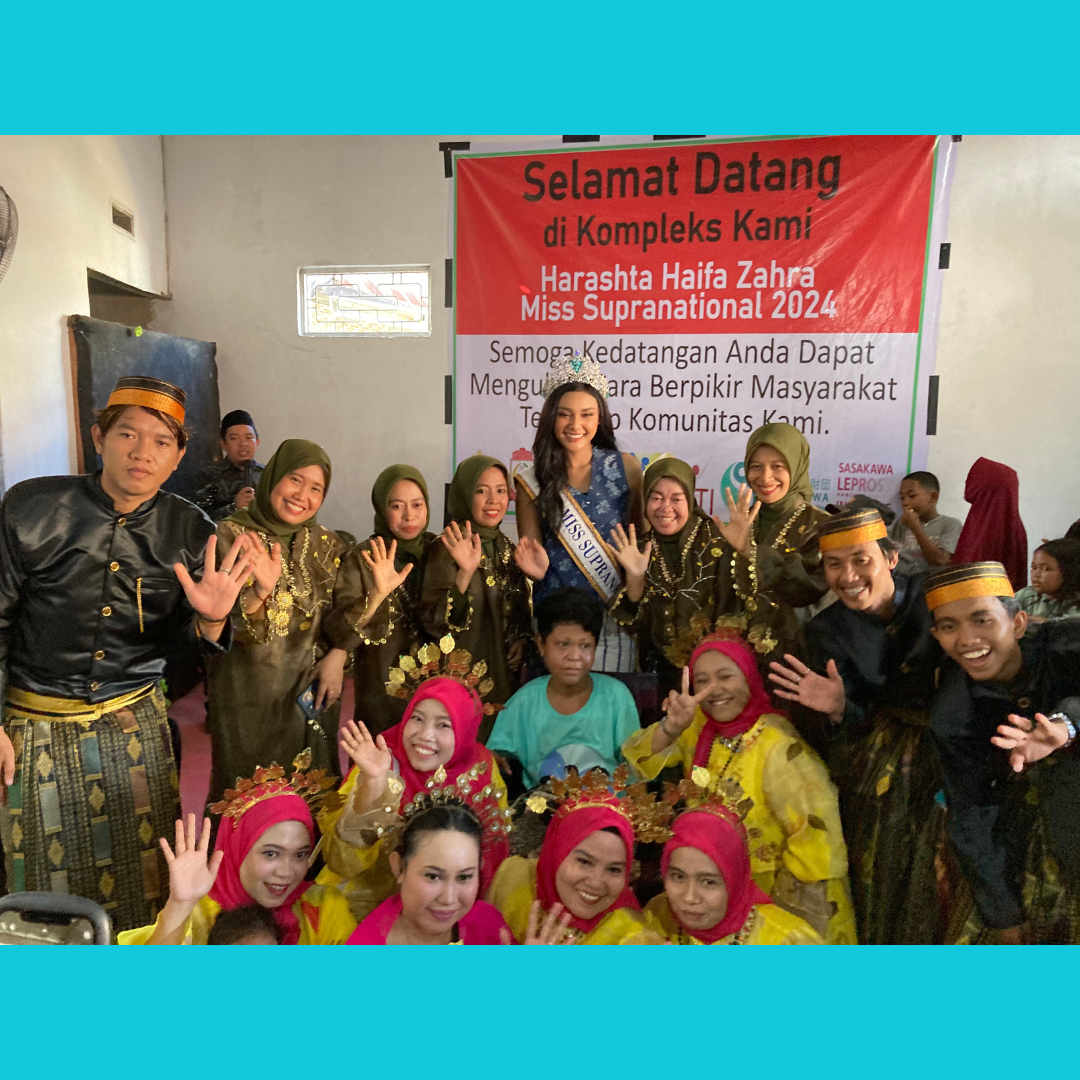
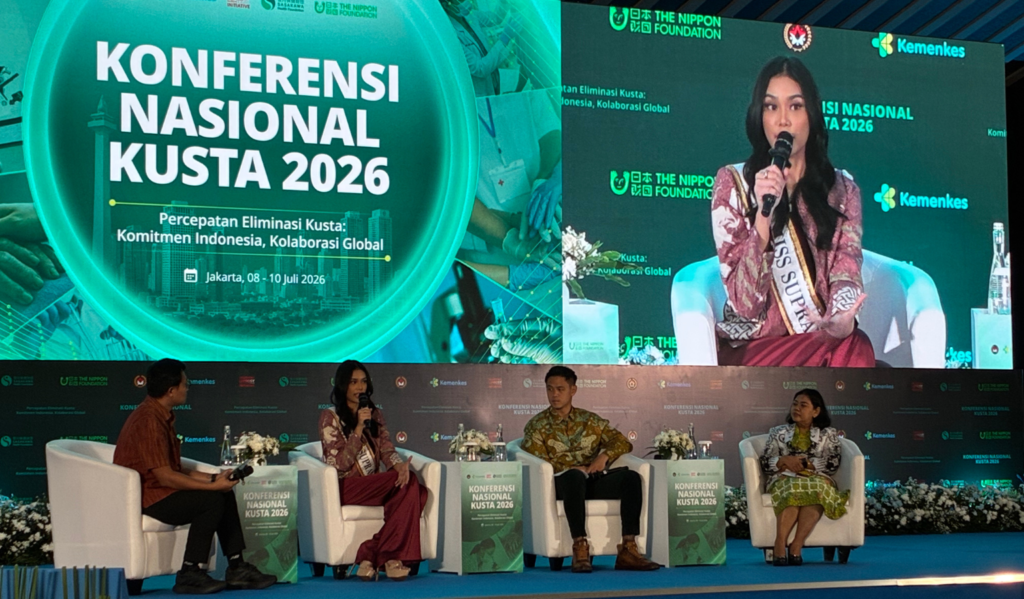
The influencer session featured discussions on awareness-raising activities led by Miss Supranational and the role of young people in eliminating stigma and discrimination. In the community empowerment sharing session, the National Research and Innovation Agency (BRIN) and the Habibie Center presented research findings on strengthening early detection and screening, reducing stigma, and enhancing community resilience.
Day 3: High-Level Session — Confirming Strong National and Local Commitments
The final day featured a high-level session attended by 428 participants, including representatives from central and local governments and relevant organizations. The session reaffirmed political commitment toward leprosy control and discussed future mechanisms for strengthening nationwide efforts.
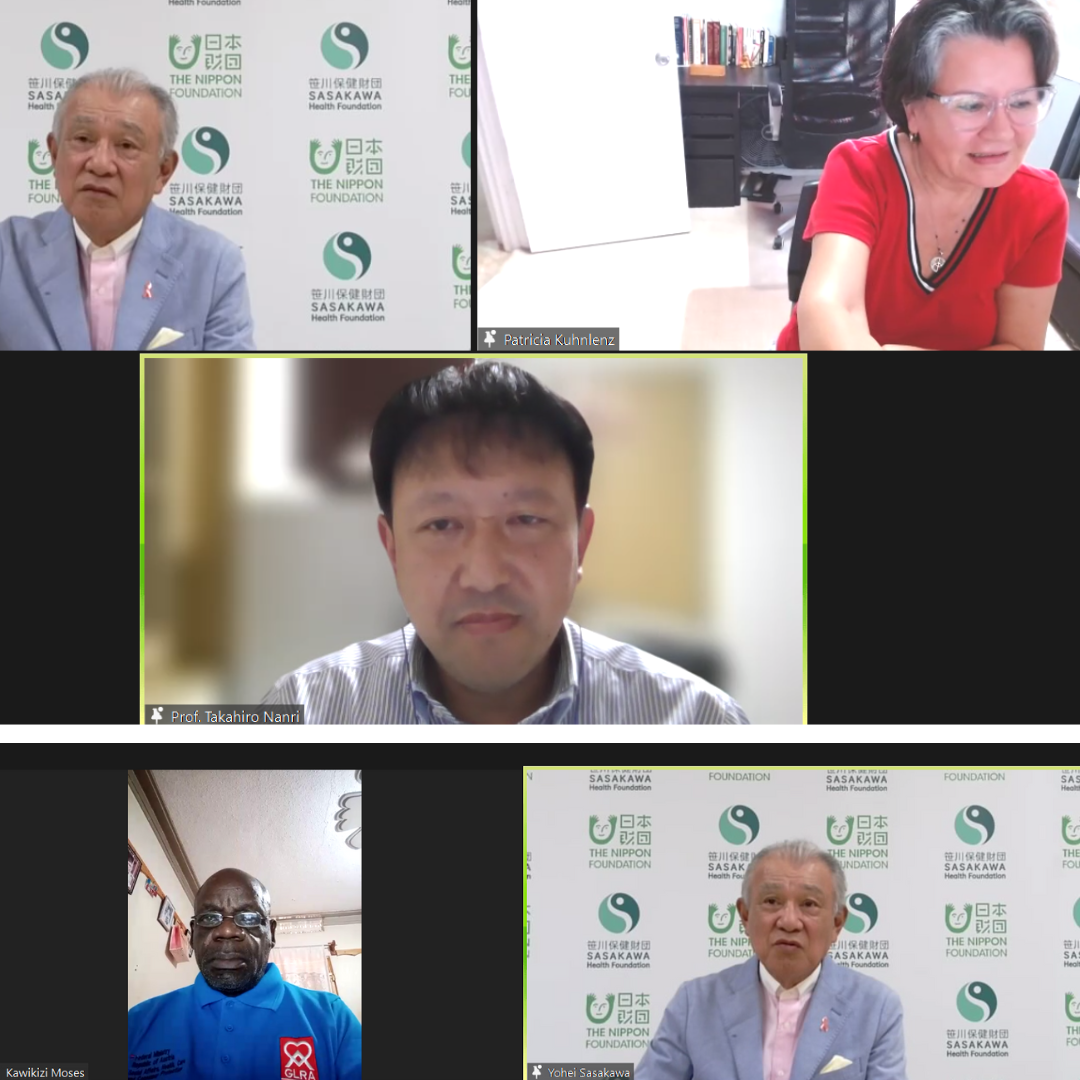
At the opening of the session, Yohei Sasakawa, WHO Goodwill Ambassador for Leprosy Elimination, expressed his appreciation for Indonesia’s nationwide commitment to addressing leprosy. He emphasized the importance of continued efforts in early detection, early treatment, prevention of disabilities, and elimination of stigma and discrimination.
Minister of Health Budi Gunadi Sadikin announced plans to introduce a recognition system for community health centers that successfully identify a high number of new leprosy cases, encouraging more proactive case finding. Minister of Home Affairs Tito Karnavian emphasized the crucial role of local governments in leading and implementing leprosy control initiatives.
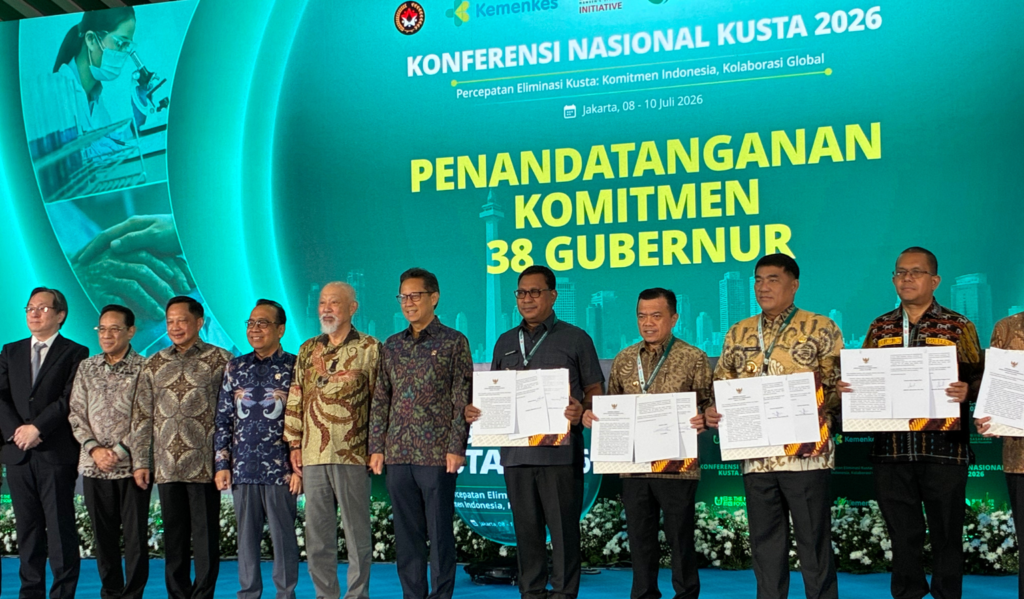
During the conference, all 38 provincial governments expressed their commitment to accelerating leprosy control. They pledged to strengthen leadership and coordination at the provincial level, develop and implement regional action plans, prioritize leprosy control within local health policies, plans, and budgets, promote an inclusive environment free from discrimination for persons affected by leprosy and their families, and secure necessary human resources, equipment, supplies, and financial resources.
Furthermore, Pratikno, Coordinating Minister for Human Development and Cultural Affairs, announced the initiation of efforts to establish a national leprosy control task force. This initiative represents a move toward a whole-of-government approach, expanding responsibility beyond the health sector to address leprosy comprehensively.
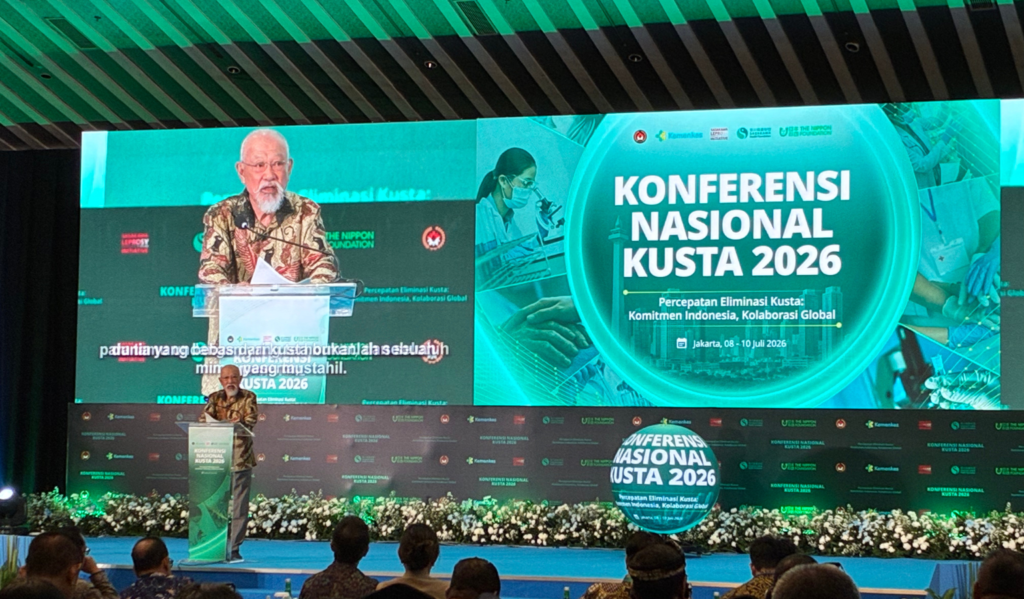
Mr. Yohei Sasakawa, WHO Goodwill Ambassador for Leprosy Elimination
The 2026 National Leprosy Conference marked an important milestone in Indonesia’s efforts to address leprosy-related challenges. Through strengthened early detection, improved access to treatment, promotion of social inclusion, and elimination of stigma and discrimination, continued collaboration among national and local governments, communities, and civil society will be essential to achieving further progress.