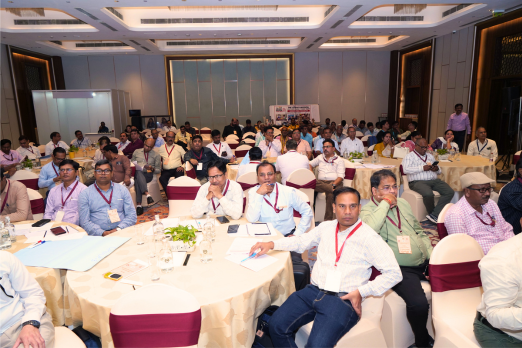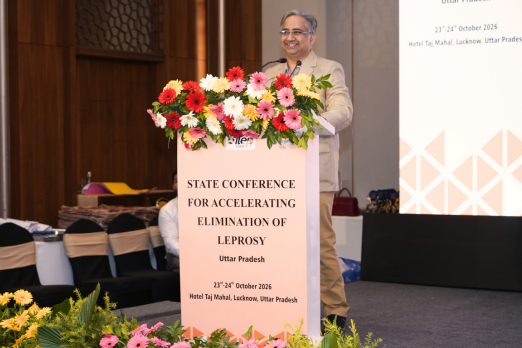

A two-day state-level conference on accelerating leprosy elimination was held in Lucknow, Uttar Pradesh, on 23–24 October 2026. Organized by the Government of Uttar Pradesh in collaboration with national and international partners, including the National Health Mission, ILEP India, WHO India and the Sasakawa Health Foundation, the conference brought together government officials, health professionals, Sasakawa-India Leprosy Foundation, TLM India, Yuva Unstoppable and representatives of organizations of persons affected by leprosy.
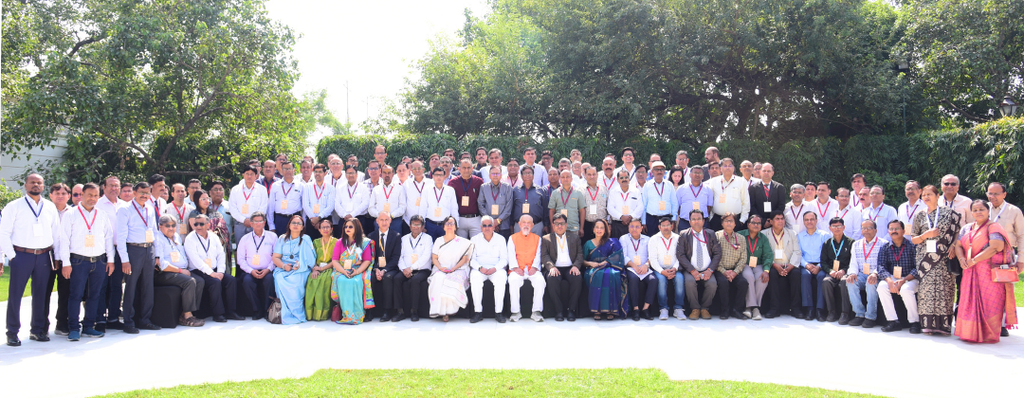
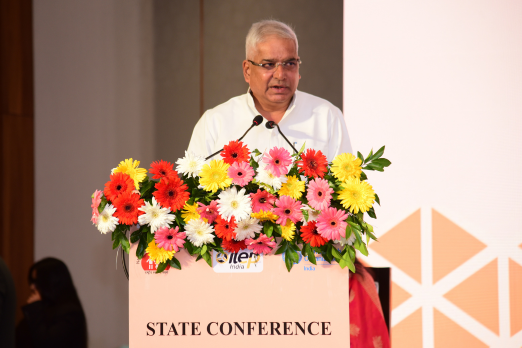
Shri Mayankeshwar Sharan Singh, Minister of Medical, Health & Family Welfare of the Government of Uttar Pradesh, attended the conference, along with other distinguished guests and participants.
Yohei Sasakawa, WHO Goodwill Ambassador for Leprosy Elimination also attended the conference and delivered an address. He emphasized that eliminating leprosy as a disease must go hand in hand with ending prejudice and discrimination. Drawing on decades of work towards leprosy elimination, he stressed that medical interventions alone are not enough; the social and human rights challenges faced by persons affected by leprosy must also be addressed. He noted that discrimination can persist even after a person has been cured, underscoring the need for continued efforts to change public attitudes and protect the rights and dignity of persons affected by leprosy.
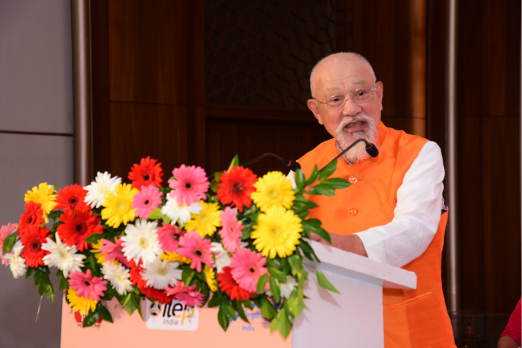
Mr. Sasakawa also highlighted the importance of grassroots engagement and recognized the contributions of community health workers, legal professionals and organizations of persons affected by leprosy in India. He called for the experiences and aspirations of persons affected by leprosy to be heard and reflected in the conference’s joint declaration. He expressed hope that Uttar Pradesh, India’s most populous state, would become a model for advancing leprosy elimination and ending stigma and discrimination.
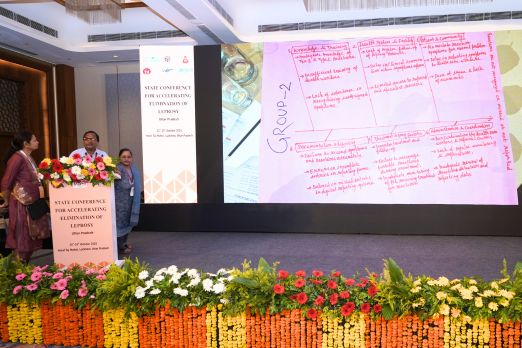
The conference featured technical sessions and discussions on strengthening early case detection, preventing disability and childhood cases, improving referral systems and rehabilitation, and enhancing collaboration among government departments and healthcare providers. Participants examined practical challenges in implementing leprosy programs at the district level and explored approaches to improving coordination and program effectiveness.
The conference concluded with the adoption of a declaration outlining commitments and priorities for accelerating leprosy elimination in Uttar Pradesh. The declaration reaffirmed the importance of strengthening leprosy services, fostering collaboration among stakeholders, and ensuring that the voices and rights of persons affected by leprosy remain central to these efforts.
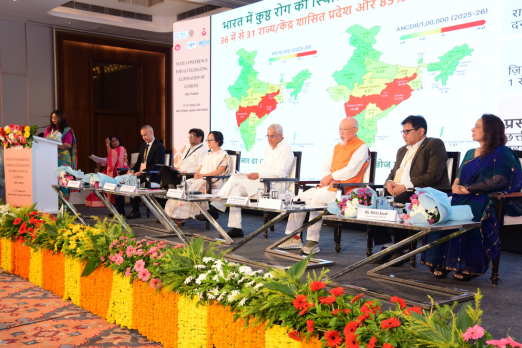
Panel discussion on contribution of stakeholders in elimination of leprosy
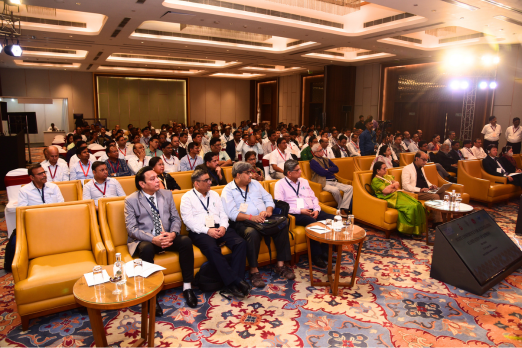
Group work on management of leprosy from medical and social perspectives