
The 3rd Global Forum of People’s Organizations on Leprosy/Hansen’s Disease, facilitated by the Sasakawa Leprosy Initiative, took place July 4–6, 2025, in Bali, Indonesia. More than 110 representatives of organizations of persons affected by leprosy from 21 countries participated. Whereas the first two forums successfully focused on strengthening solidarity and horizontal relations among the representatives, the third forum emphasized enhancing their ownership and delivering outcome documents aimed at sustainable, long-lasting, and transformative collective action.
The 3rd Global Forum had five working groups, each with its own facilitator and rapporteur. Each group also selected one member to serve on a Drafting Committee charged with the responsibility of producing collective outcome documents.
The Drafting Committee created three documents based on information collected from the local needs assessments that each organization carried out prior to the forum as well as the matters raised during the discussions held by the working groups. The three documents are titled 1) Letter of Commitment, 2) Letter with Recommendations to Stakeholders, and 3) Action Plan for capacity-building, development, and empowerment of organizations of persons affected by leprosy/Hansen’s disease.
Here the five members of the Drafting Committee – Al Kadri, Francilene Mesquita, Jayashree Kunju, Lilibeth Evarestus, and Lucrecia Acevedo – share their thoughts on their experiences at the forum, the three outcome documents, and their expectations for action.
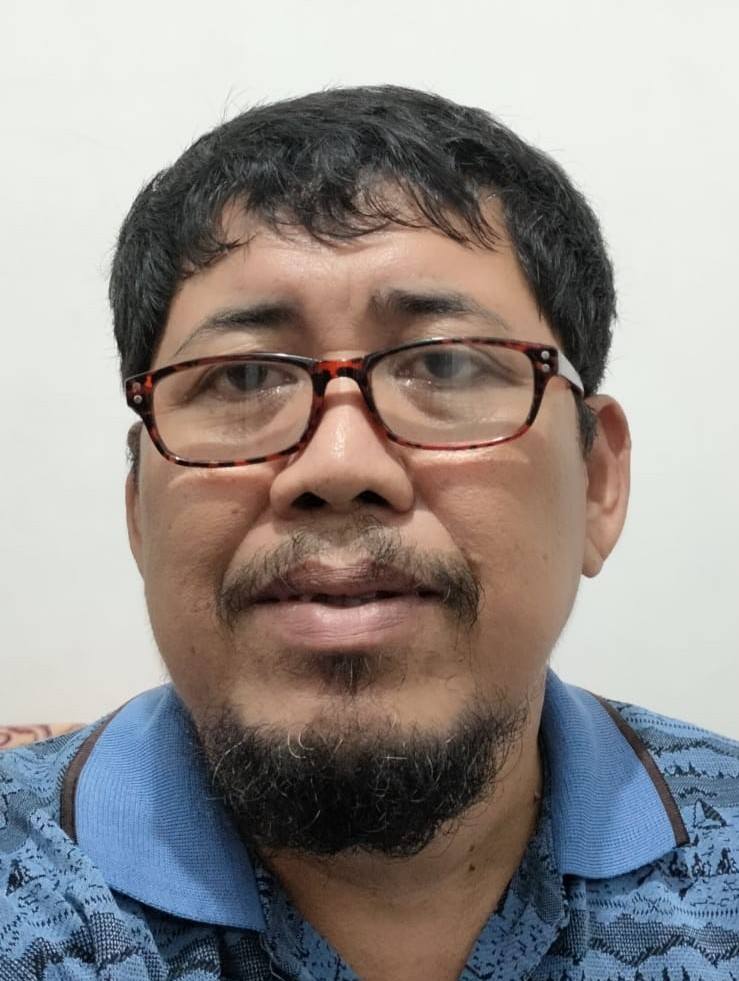
Al Kadri
Chairman
PerMaTa Indonesia
Indonesia
The 10-point Action Plan produced by the Global Forum serves as a set of strategic steps that must be implemented by policymakers to strengthen and empower organizations of persons affected by leprosy. Through the implementation of this action plan, organizations of persons affected by leprosy are expected to take a more active role in eliminating the stigma and discrimination that continue to surround leprosy.
The Letter with Recommendations to Stakeholders is expected to serve as a strategic reference for policymakers in leprosy control efforts, thereby accelerating the achievement of sustainable leprosy elimination.
Meanwhile, the Letter of Commitment reflects a collective determination to strengthen community participation in the global movement to end stigma and discrimination against persons affected by leprosy. This joint statement stands as a symbol of solidarity and cross-country collaboration as well as a strategic call for policymakers at national and international levels to open wider and more meaningful spaces for the active engagement of organizations of persons affected by leprosy in all decision-making processes related to leprosy issues.
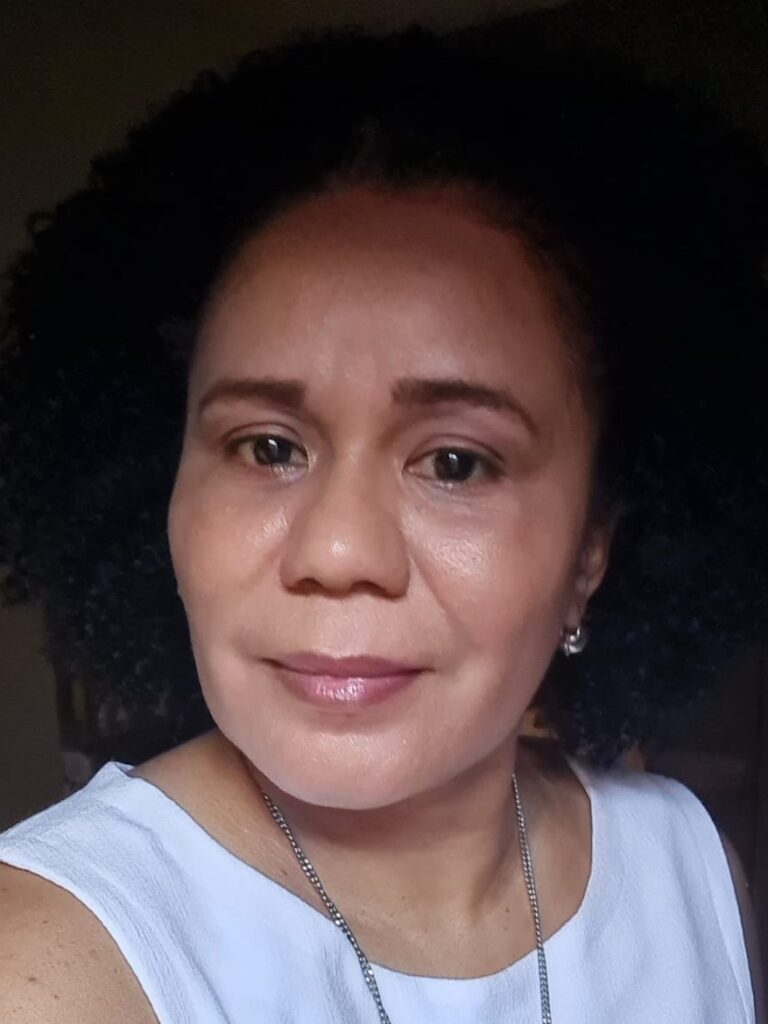
Francilene Carvalho de Mesquita
Deputy Coordinator
Department of Policies for Women
MORHAN National
Brazil
For me, being a member of the Drafting Committee for the 3rd Global Forum was a new and challenging experience. I learned that this kind of self-challenging is necessary. As persons affected by Hansen’s disease, we need to start showing what we are capable of by making ourselves available for any kind of work, whether in our own organization or in other spaces such as the Global Forum. It is a way for us to be trained continuously and directly in what concerns us most: the cause of Hansen’s disease.
Considering the emphasis on inclusion, I would like to highlight the role played by linguistic inclusion. Specifically, I would like to put a spotlight on the translators, who conveyed what was said in all the different languages with responsibility and emotion so that we could feel and assess what was said. They enabled us to interpret, document, and respect the various speeches.
The documents produced as outcomes of the Global Forum reflect the voices of persons affected by Hansen’s disease. These voices must be relayed comprehensively to the people who need to hear them. By ensuring that our organizations read, discuss, and circulate these documents in our home communities, we can foster meaningful dialogue with decision‑makers on how to follow up.
If our voices are respected, we will achieve changes and advances in the reality of Hansen’s disease in the world, especially in the lives of those affected by it.
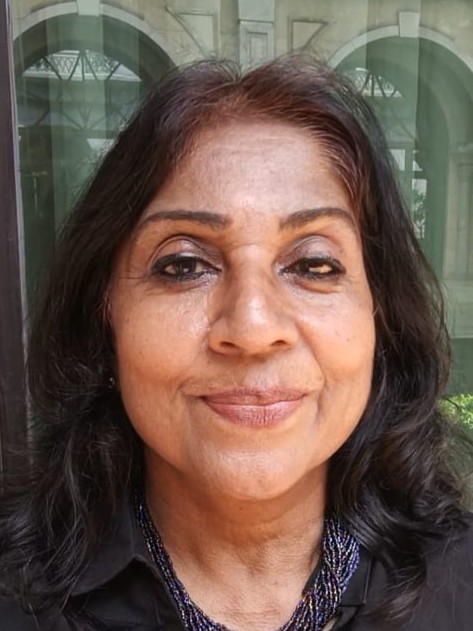
Jayashree Kunju
Vice Chair
IDEA International
India
The Letter with Recommendations to Stakeholders, Letter of Commitment, and Action Plan together represent a vital turning point from words of sympathy to systems of accountability. My expectation is that these documents will not remain aspirational but will drive tangible, measurable change at the country level.
The 2024 multidrug therapy (MDT) fiasco in Nigeria where thousands were left without timely access to the drugs for leprosy is a stark reminder that when systems fail, lives are directly endangered in terms of permanent disabilities, loss of economic freedom, and impact on family and community life, not to speak of the misery of being stigmatized. In spite of global commitment, medicine shortages persist because of poor planning, lack of transparency, and, most importantly, weak accountability. This must end. These letters must compel governments, pharmaceutical partners, the World Health Organization, and other stakeholders to establish early warning systems for drug shortages. These systems should include local stock monitoring that involves organizations of persons affected by leprosy. The focus should be on creating reporting mechanisms that can trigger immediate corrective actions where need be.
It is also important that stakeholders take the affected community members seriously and implement the recommendations along with them, not just for them. Empowerment cannot exist without ownership. Persons affected by leprosy also have an important role to play in prioritizing leadership development within their organizations. In the current era, we must help our leaders with digital literacy and clear data-driven advocacy so that no one can silence our collective evidence.
The true spirit of these letters will be fulfilled when no person affected by leprosy ever faces a preventable lapse or experiences indignity again.

Lilibeth Nwakaego Evarestus
National Coordinator
Purple Hope Initiative Nigeria
Nigeria
I believe that the two Letters and the Action Plan provide actionable insights and direct guidance for meaningful engagement of organizations of persons affected by Hansen’s disease, which will produce desirable results going forward.
My expectation is that our various stakeholders will prioritize collaboration, ensuring impact and inclusion of organizations of persons affected by Hansen’s disease in the decision-making processes that affect them at all levels. I also expect to see focus on sustainable empowerment initiatives, leveraging one another’s strengths.
My advice for our stakeholders is for them to be committed to total adherence to the provisions of our letter recommendations and listen to us in all matters!
To the community of persons affected by Hansen’s disease, I say let’s show determination, willingness to grow, and commitment to the sustainability of our various organizations.

Lucrecia Vasquez Acevedo
Legal Representative
Felehansen
Colombia
The 3rd Global Forum brought together key actors such as Novartis, human rights groups, supporting organizations, and the World Health Organization. The presence of these key actors enabled persons affected by Hansen’s disease to engage in advocacy and lobbying as part of their strategy for leadership, strengthening, and empowerment.
To monitor the agreements reached, an Oversight Committee was created for the first time and it will be kept informed of progress and achievements as part of an assertive communication strategy.
The 3rd Global Forum was a space where people openly shared the reality of issues that they face in their countries, hoping that their input would result in more than just documents. By strengthening leadership and improving communication, we are bringing the documents created during the forum to life and pioneering a way of being included in decision-making as key players.
The dissemination of the documents among affected people allows us to highlight the work done by the team, to analyze how the documents can be put to use locally, and to measure the impact that they can have, both positive and negative.
Organizations of persons affected by Hansen’s disease must have autonomy, a strong moral backbone, and the ability to make decisions when needed. We cannot allow ourselves to keep being used. We have enormous potential and we have strategic allies who provide us with guidance and advice so that we can keep moving forward. We must affirm our dignity, know our rights, and be the agents of our own development.
For downloadable PDF versions of the outcome documents as well as recordings of the 3rd Global Forum’s live-streamed sessions, see https://sasakawaleprosyinitiative.org/latest-updates/initiative-news/5886/.