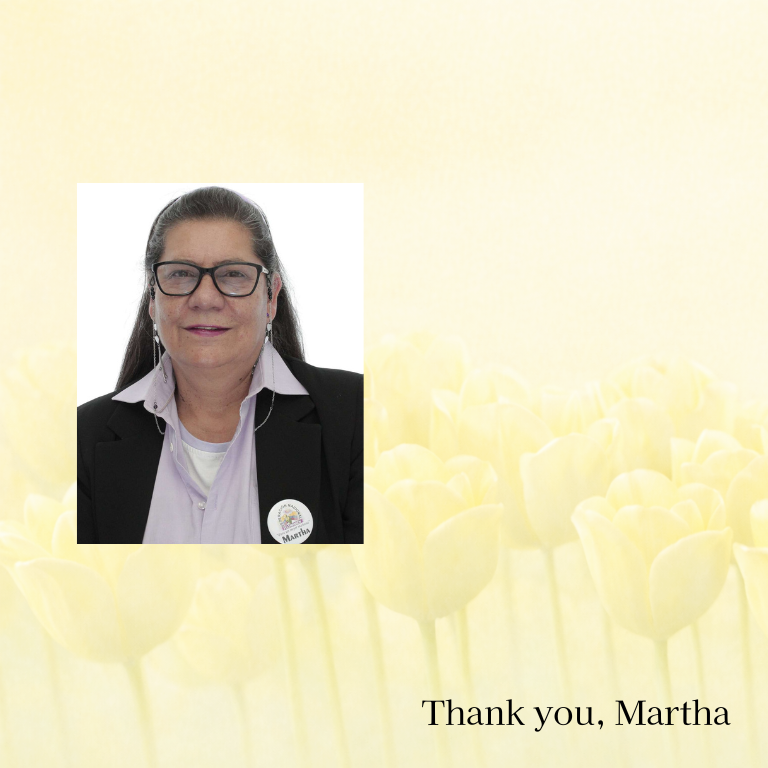


Nikita Sarah
Head of Advocacy and Communication
The Leprosy Mission Trust India (TLMTI)
For over 15 years, Nikita Sarah has been developing multi-pronged strategies to address structural causes of exclusion and marginalization of persons affected by leprosy. Her leadership role expanded in 2026 when TLMTI began its tenure as the coordinating entity for ILEP India.
For decades, laws in India described leprosy as an “incurable” and “virulent” disease. These fear-laden words and discriminatory provisions institutionalized discrimination by permitting leprosy to be used as a ground for divorce, restricting participation in public life, disqualifying individuals from standing for election, and even legitimizing segregation. Such laws violated constitutional guarantees of equality and dignity, reinforced harmful social attitudes, and perpetuated fear and exclusion.
Importance of timing
An opportunity for change emerged in 2014, when the Government of India initiated a review of obsolete laws. Recognizing the opportunity, The Leprosy Mission Trust India (TLMTI), supported by members of the International Federation of Anti-Leprosy Associations (ILEP), persons affected by leprosy, and legal experts, intensified efforts to advocate for the repeal of discriminatory legislation.
Engagement with the 20th Law Commission of India led to the landmark repeal of the Lepers Act 1898 and the submission of Law Commission Report No. 256, Eliminating Discrimination Against Persons Affected by Leprosy (2015), which acknowledged widespread legal discrimination faced by persons affected by leprosy.
Along with the Report, the Law Commission proposed draft legislation called the Eliminating Discrimination against Persons Affected by Leprosy (EDPAL) Bill. As proposed, the EDPAL Bill moves beyond repealing discriminatory provisions to affirm commitment to principles of equality, affirmative action, and access to healthcare, education, employment, housing, and social protection. Importantly, it aligns with India’s obligations under the UN Convention on the Rights of Persons with Disabilities (UNCRPD) and the UN Principles and Guidelines for the Elimination of Discrimination against Persons Affected by Leprosy and Their Family Members.
Role of strategic litigation
In 2014, Mr. Pankaj Sinha, an advocate, filed a writ petition in the Supreme Court, drawing attention to discrimination meted out to persons affected by leprosy and calling for rehabilitation and inclusion. In 2017, the Vidhi Centre for Legal Policy filed a Public Interest Litigation (PIL), challenging 119 discriminatory provisions in Union and State laws and compelling governments to review laws and by-laws discriminating against persons affected by leprosy.
Together, these petitions reframed discrimination against persons affected by leprosy as a constitutional and human rights concern rather than merely a medical issue, bringing national attention to the need for legal reform.
In its 2018 judgment, the Supreme Court directed the Union and State Governments to ensure rehabilitation, end discriminatory practices, and integrate persons affected by leprosy into mainstream society. The Court acknowledged that leprosy is curable and that continued discrimination has no scientific or constitutional basis.
In a subsequent 2025 hearing, the Supreme Court criticized the persistence of discriminatory provisions, describing them as “embarrassing” in a modern constitutional democracy.
Value of a broad approach
In addition to working through the courts to change existing laws, TLMTI and the Vidhi Centre for Legal Policy worked toward the establishment of new law by supporting a Member of Parliament, Mr. K.T.S. Tulsi, in drafting a Private Member’s Bill on the rights of persons affected by leprosy. Although the Bill was not passed in the Parliament, its introduction generated important discussion and sensitized parliamentarians to the existence and impact of discriminatory laws affecting persons affected by leprosy and their families.
Partnerships with organisations of persons affected by leprosy, Disabled Persons’ Organisations (DPOs), legal think tanks such as the Vidhi Centre for Legal Policy, and media institutions helped humanize the issue and amplify lived experiences.
The Unwanted (2017), a documentary produced by NDTV in collaboration with TLMTI, challenged public misconceptions and shifted narratives from fear and exclusion to dignity and inclusion.
Framing discrimination against persons affected by leprosy in the broader context of human rights helped to gain the attention of India’s National Human Rights Commission (NHRC). In 2022, the independent statutory body issued an advisory on the identification, treatment, rehabilitation, and elimination of discrimination against persons affected by leprosy; identified 97 discriminatory Union and State laws; and urged their amendment alongside stronger measures for awareness, rehabilitation, and inclusion.
Momentum builds over time
In combination, the various efforts helped to accelerate legal reform. In 2019, the Parliament passed the Personal Laws (Amendment) Act, removing leprosy as a ground for divorce across several personal laws. This marked a historic victory for equality and dignity.
In 2025, the Supreme Court directed the Union and States to identify and repeal outdated laws that continue to discriminate against persons affected by leprosy. Emphasizing that leprosy is completely curable, the Court observed that continuing to classify it as an incurable disease or lifelong disability entrenches unconstitutional stigma and undermines human dignity. The Court further instructed all Chief Secretaries and Law Secretaries to establish state-level committees to comprehensively review laws, service regulations, municipal by-laws, and civil statutes containing discriminatory references to leprosy. States were also directed to submit reports detailing such provisions and the steps being taken towards their repeal or amendment.
Several states have amended or repealed discriminatory provisions related to marriage, education, civic participation, and local governance. However, there is still work to be done. Advocacy efforts continue to encourage states to review municipal laws, cooperative society regulations, and employment-related rules that still contain discriminatory references.
Summary of lessons learned
First, evidence-based advocacy matters. Rigorous legal research and documentation were essential in identifying discriminatory provisions and building a compelling case for reform.
Second, strategic litigation can accelerate policy change. Judicial interventions not only compelled governments to act but also established discrimination against persons affected by leprosy as a violation of constitutional rights and human dignity.
Third, partnerships are critical. Collaboration between civil society, persons affected by leprosy, legal institutions, media, and government agencies created a broad-based movement that was difficult to ignore.
Fourth, storytelling and public engagement are indispensable. Humanizing lived experiences helped shift public discourse and build wider support for reform.
Finally, legal reform must be accompanied by implementation and accountability. Although progress has been made, discriminatory provisions remain in several laws and regulations. Continued monitoring, advocacy, and political commitment are therefore essential.
India’s journey demonstrates that eliminating discrimination is not only about changing laws; it is about transforming systems, institutions, and mindsets. It also shows how sustained advocacy, strategic litigation, partnerships, and public engagement can together drive meaningful legal and social change.
Timeline of legal reform in India
2007–2010 India ratifies the UN Convention on the Rights of Persons with Disabilities (UNCRPD). The UN Human Rights Council adopts Principles and Guidelines on eliminating leprosy-related discrimination, providing an international framework for reform.
2014 Government of India launches a major review of obsolete laws. Advocate Pankaj Sinha files a writ petition in the Supreme Court, drawing attention to discrimination against persons affected by leprosy and seeking rehabilitation and inclusion.
2015 The 20th Law Commission issues Report No. 256, Eliminating Discrimination Against Persons Affected by Leprosy, and proposes the EDPAL Bill to safeguard rights to equality, healthcare, education, employment, housing, and social protection.
2017–2018 Vidhi Centre for Legal Policy files a PIL challenging 119 discriminatory provisions across central and state laws. The Supreme Court recognizes leprosy as curable, condemns discrimination as unconstitutional, and directs governments to ensure rehabilitation and inclusion.
2019 Parliament passes the Personal Laws (Amendment) Act, removing leprosy as a ground for divorce across several personal law statutes.
2022–2025 The National Human Rights Commission and the Supreme Court push for systematic review and repeal of discriminatory laws, while states begin amending provisions on marriage, education, civic participation, and local governance.