

Papa Mamadou Diagne
President, Association Sénégalaise Contre la Lèpre et les Maladies
Tropicales Négligées (ASCL/MTN)
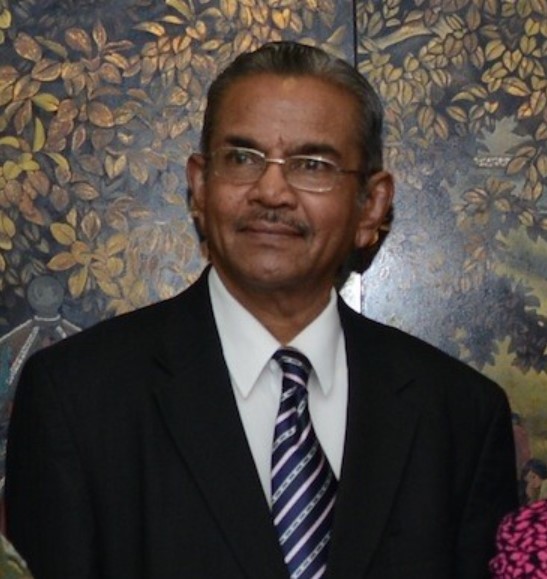
Papa Mamadou Diagne has been affected by leprosy since 2009. As president of ASCL/MTN, he is involved in advocacy for rights and access to care, awareness-raising for social and environmental behavior change, education and training, and development of individualized rehabilitation plans for empowerment and inclusion.
In 1976, Senegal’s Law 76-03 established villages de reclassement social (VRS) to isolate persons affected by leprosy and block transmission of the disease. Despite the advent of multidrug therapy (MDT), which made leprosy into a curable disease, the law remained in place for 47 years. It was finally repealed in June 2023.
The repeal of this discriminatory law represents a major step forward for human rights and the fight against stigma in Senegal. This achievement was the result of a collective advocacy effort led by persons affected by leprosy, our organization – the Senegalese Association Against Leprosy and Neglected Tropical Diseases (ASCL/MTN) – public authorities, and various partners. ASCL/MTN’s goal now is to ensure that this legal victory brings about tangible improvements in the lives of affected persons.
ASCL/MTN’s role and strategies
Defending the rights of persons affected by leprosy is central to ASCL/MTN’s mission. We have conducted advocacy efforts based on dialogue with government officials; members of parliament; the General Directorate of Social Action (DGAS); civil society organizations; and technical and financial partners, including, most notably, DAHW Senegal. We have also organized awareness campaigns through the media and highlighted the testimonies of those affected to demonstrate the real-life consequences of discriminatory law. This participatory approach, which involved persons affected by leprosy and other stakeholders as active contributors, helped to mobilize broad support for reform.
Even with broad support, however, the process encountered several obstacles. Persistent stigma surrounding leprosy, the emergence of new leprosy cases in certain villages, limited knowledge of the disease, and the complexity of legislative procedures slowed progress. The limited resources of organizations representing persons affected by leprosy also posed a challenge. To address these challenges, we prioritized strong alliances, ongoing awareness-raising efforts, and constructive dialogue with decision-makers. The perseverance and direct involvement of persons affected by leprosy and their family members were crucial.
The experience taught us that legislative change is a long-term process that requires patience, lobbying, unity, and collaboration. Those who are directly affected must be at the center of advocacy efforts, as their voices lend credibility to the actions taken. We encourage organizations facing discriminatory laws to document the impacts of these laws, build strategic partnerships, and maintain ongoing dialogue with authorities.
After the repeal, toward inclusion
The repeal of the law sent a strong message in support of equality and dignity. It helped to reduce institutional discrimination and strengthened recognition of the rights of persons affected by leprosy. However, challenges remain. Social stigma persists in some communities, and access to employment, social services, and economic opportunities remains limited for many affected individuals and their families.
To address these challenges, ASCL/MTN continues its efforts to raise community awareness, strengthen the capacity of persons affected by leprosy, promote their economic empowerment, and monitor the implementation of reform. A recent significant development is the government’s 2026–2030 Resilience Programme for Communities Affected by Leprosy (PRCAL), which aims to build resilient, inclusive, and supportive communities in the former VRS. Developed by the DGAS, through its Directorate for the Promotion and Protection of Vulnerable Groups (DPPGV), the program has a budget of more than 7 billion CFA francs. In July 2026, the DGAS convened a national participatory scoping workshop to develop relevant plans and frameworks. We will continue to work with the authorities and our partners to ensure that PRCAL and related initiatives translate into genuine, sustainable inclusion.
ASCL/MTN’s experience in Senegal shows that repealing a discriminatory law is an essential step, but that it must be accompanied by concrete actions to change attitudes and ensure the effective exercise of rights. At ASCL/MTN, we remain committed to ensuring that no one affected by leprosy is subjected to discrimination and that all can participate fully in society.