
Ashutosh Prabhavalkar
Head of Program (Leprosy), ALERT-India
ALERT-India (Association for Leprosy Education, Rehabilitation and Treatment–India) is a Mumbai-based non-governmental organization dedicated to improving the health, social status, and rights of persons affected by leprosy and other communicable diseases.
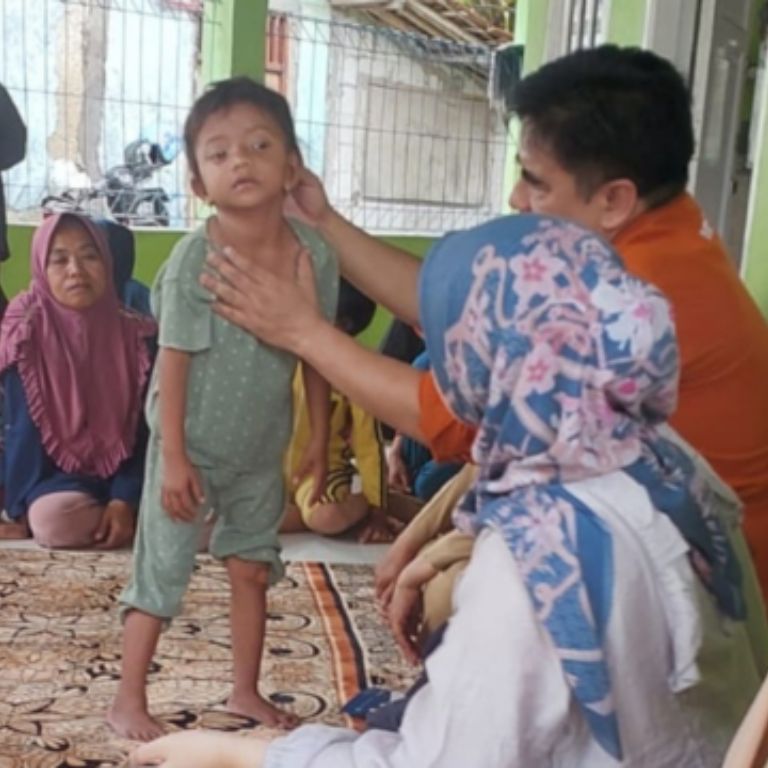
Saksham Kushthateya Swabhimani Sanstha (SKSS), an organization of Kushthanteya (persons affected by leprosy/Hansen’s disease) living in non-colony settings in Maharashtra, India, implemented a pilot research project titled “Impact of Stigma and Discrimination Due to Leprosy on Family and Marital Dynamics.” This initiative, supported by the Sasakawa Health Foundation (SHF), stands as a pioneering and empowering example of community-led research.
Uniquely, the project was conceptualized, led, and implemented by Kushthanteya themselves, and because evidence was gathered from non-colony communities, the findings are more generalizable than those of studies focused on leprosy colonies.
With technical support from ALERT-India, Mumbai, and guidance from Dr. Alice Cruz, SHF’s Program Advisor for Human Rights Issues, a team of 25 SKSS members undertook all core research activities: sampling, tool development, training, field surveys, case studies, and preparation of a 10-year advocacy roadmap (2026–2035).
A key strength of the study was the trust-based data collection approach: respondents felt more comfortable sharing personal experiences with fellow Kushthanteya. The study revealed that 26% of affected individuals reported experiencing stigma and discrimination and 29% noted adverse impacts on their marital relationships. Of the 26% who reported experiencing stigma and discrimination, over half were women (63%).
SKSS members who were part of the team strengthened their understanding of rights, research methodology, and advocacy. The project created a cadre of informed community advocates whose self-esteem and confidence were visibly restored.
In my firm view, this initiative marks a paradigm shift that transforms Kushthanteya from subjects of study to active partners in knowledge creation and social change.
Francilene Carvalho de Mesquita
Volunteer and Deputy Coordinator, Department of Policies for Women, MORHAN National
Volunteer, MORHAN Piauí
MORHAN Piauí is a regional branch of Brazil’s national Movement for the Reintegration of People Affected by Hansen’s Disease that brings together persons affected by the disease in the state of Piauí to defend their rights, combat stigma, and promote social inclusion and access to care.
Coordinating the project “Holding hands in search of rights and knowledge,” with all the challenges it presented, was a unique opportunity to see how much we are capable of. As a woman affected by Hansen’s disease, I have often been in the position of being studied by researchers aiming to publish papers and contribute to science. But until this project, I had never imagined the challenges of being in the researcher position.
We held conversation circles according to our original methodology: escuta afetiva e qualificada (listening with empathetic attentiveness and skill). In my view, the most significant outcome of the project was the empowerment that each person affected by Hansen’s disease experienced from participating in the circles.
As we went through the process of conducting the circles, listening, synthesizing statements, identifying problems, and building strategies for possible problem solving, each one of us discovered our ability to listen, interpret results, and direct action research. In short, we became researchers.
The most frequently mentioned problem was the lack of access to legally guaranteed social security benefits. MORHAN Piauí therefore plans to hold an advocacy workshop with persons affected by Hansen’s disease to develop a strategy for overcoming bureaucratic and stigma-related barriers. Then, we would like to organize a seminar to discuss our strategy with those responsible for implementing social protection policies.