

Dr. Prima Yosephine BT Hutapea, M.K.M.
Director of Communicable Diseases
Ministry of Health, Republic of Indonesia
Dr. Prima is a physician and public health official with more than two decades of experience in disease control, immunization, and public health surveillance. She is committed to strengthening Indonesia’s national health system and enhancing the country’s public health resilience.
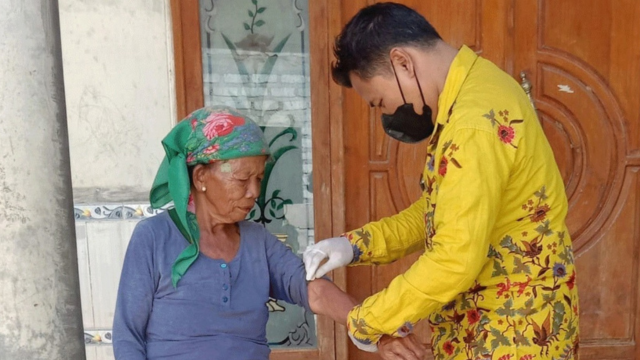
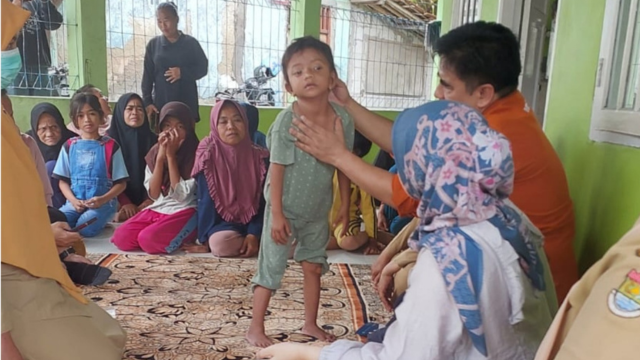
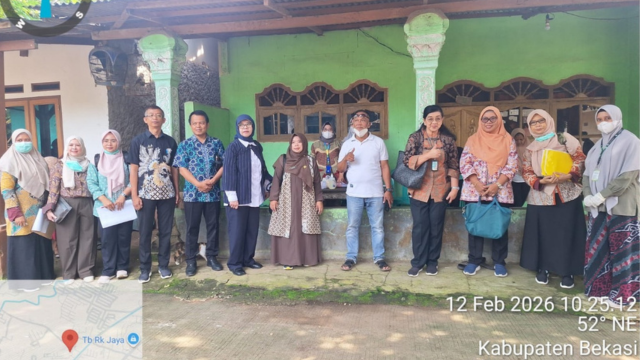
Leprosy remains one of Indonesia’s neglected tropical diseases that requires sustained attention. Although the disease is curable with free treatment, delayed diagnosis and persistent social stigma continue to hinder elimination efforts. To address these challenges, the Ministry of Health of the Republic of Indonesia, in collaboration with the Sasakawa Health Foundation, implemented the Acceleration of Leprosy Elimination Program across five priority areas (Tangerang Regency, Bekasi Regency, Brebes Regency, Sampang Regency, and Jayapura City) from January to March 2026. The program demonstrated that integrating early detection with community empowerment can significantly improve case detection.
The program’s success was reflected in the outcomes of Active Case Finding (ACF) and Family Self-Screening. A total of 68,733 contacts were screened, resulting in the identification of 428 new leprosy cases, and 55,752 individuals (81.1%) received chemoprophylaxis to prevent disease transmission. Furthermore, 96.78% of targeted households returned their self-screening forms, highlighting strong community participation in supporting early detection.
Another key achievement was the strengthening of human resource capacity. Through On-the-Job Training (OJT), 502 healthcare workers and 386 community health volunteers received training on early detection, diagnosis, referral, and leprosy case management. This capacity-building initiative established a solid foundation for delivering high-quality screening and patient care.
Beyond medical interventions, the program also prioritized stigma reduction. World Leprosy Day 2026 featured educational campaigns, including a TikTok video competition that produced 137 submissions, of which 84 met quality standards and three were selected as winners. A journalism competition received 35 articles, and a webinar on stigma elimination engaged 1,000 participants through Zoom and 100 viewers through YouTube. These campaigns strengthened awareness among teachers, religious leaders, healthcare workers, and communities that they have a role to play in promoting the message that leprosy is curable.
Despite these achievements, several challenges remain, including community reluctance to participate in screening due to stigma; inadequate implementation of chemoprophylaxis; and insufficient funding for campaign material distribution, particularly in Papua. These challenges highlight that eliminating leprosy requires not only effective health interventions but also cross-sector collaboration, stronger logistics, and continuous public education. With sustained commitment from the government, healthcare professionals, community volunteers, civil society organizations, and development partners, Indonesia has an excellent opportunity to achieve leprosy elimination while fostering a healthier, more inclusive, and discrimination-free society.