
✍ Contributed by Dr. Mahoutondji Yves Thierry Barogui, Regional Advisor for Leprosy and Other Skin NTDs, WHO African Region
The WHO African Region has made progress in eliminating leprosy (Hansen’s disease) as a public health problem in almost all member states. However, the Region still has pockets of on-going transmission and continues to carry a significant burden of the disease.
The continent as a whole accounts for over 10% of the global leprosy burden. Of the 23 global priority countries designated by the World Health Organization (WHO), 13 are in Africa (9 in the African Region and 4 in the Eastern Mediterranean Region). Although WHO-recommended multidrug therapy has contributed to an over 30% reduction in registered prevalence over the past decade, transmission continues. In 2024, 19,171 new cases were reported, with 15% presenting with grade-2 disabilities at diagnosis, reflecting ongoing delays in case detection. The identification of 1,400 cases among children – 8% with visible disabilities – further confirms continued transmission. These trends underscore the need for renewed commitment and coordinated action to accelerate leprosy elimination in Africa.
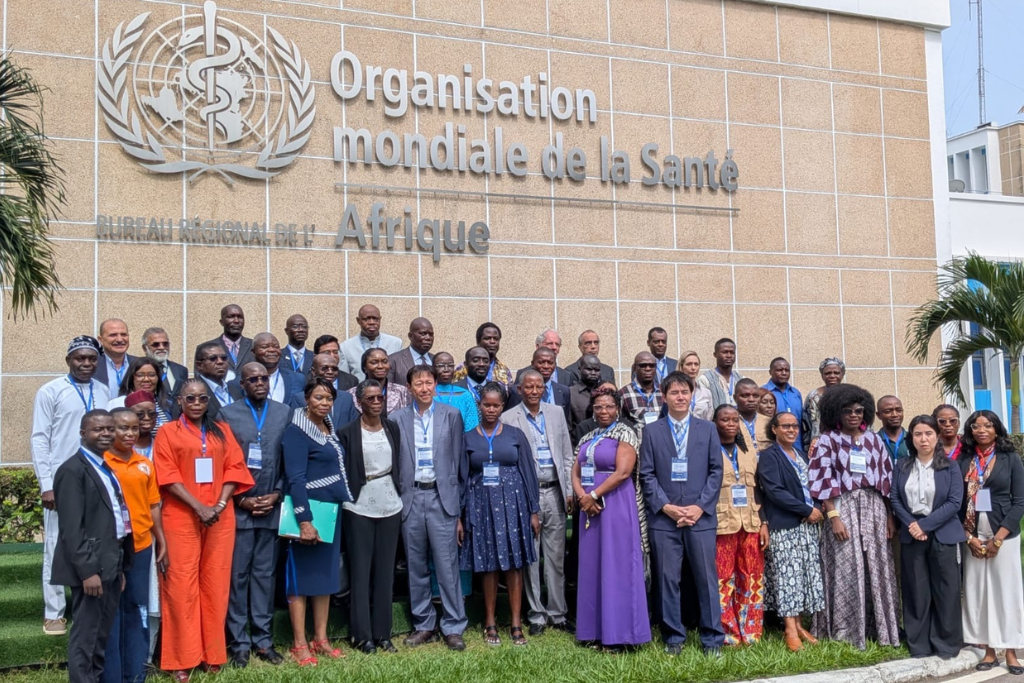
On Feb. 26–27, 2026, the Sasakawa Leprosy (Hansen’s Disease) Initiative, in collaboration with WHO, convened the Africa Zero Leprosy Conference in Brazzaville, Republic of Congo. The working-level meeting brought together government representatives and non-state actors to strengthen collaboration and reinvigorate elimination efforts across the continent.
Among the invited non-state actors were people’s organizations led by persons affected by leprosy. These organizations play a vital role in advocacy, stigma reduction, and community-level engagement. The involvement of persons affected by leprosy in meetings that inform decision-making is essential for ensuring inclusive, patient-centered, and responsive elimination efforts.
Conference participants developed recommendations aligned with the theme “Building a healthier Africa, together!” The recommendations focus on four priorities: strengthening political commitment and domestic financing; promoting patient-centered, continuous care with meaningful participation of affected persons; adopting a rights-based, stigma-free approach; and enhancing partnerships among governments, implementing partners, and affected communities. These recommendations will be shared with the national health ministries of Africa’s 13 global priority countries.