
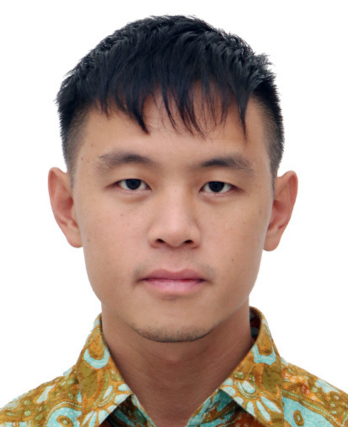
Arnold Putra
Multidisciplinary artist
Arnold Putra is a multidisciplinary artist whose creative work has attracted international attention. Inspired by Yohei Sasakawa’s long-standing commitment to ending leprosy and related discrimination, he is taking part in awareness-raising activities and exploring how his creative voice can contribute to positive social change. Through this engagement, he seeks to support greater understanding, dignity, and inclusion for persons affected by leprosy.
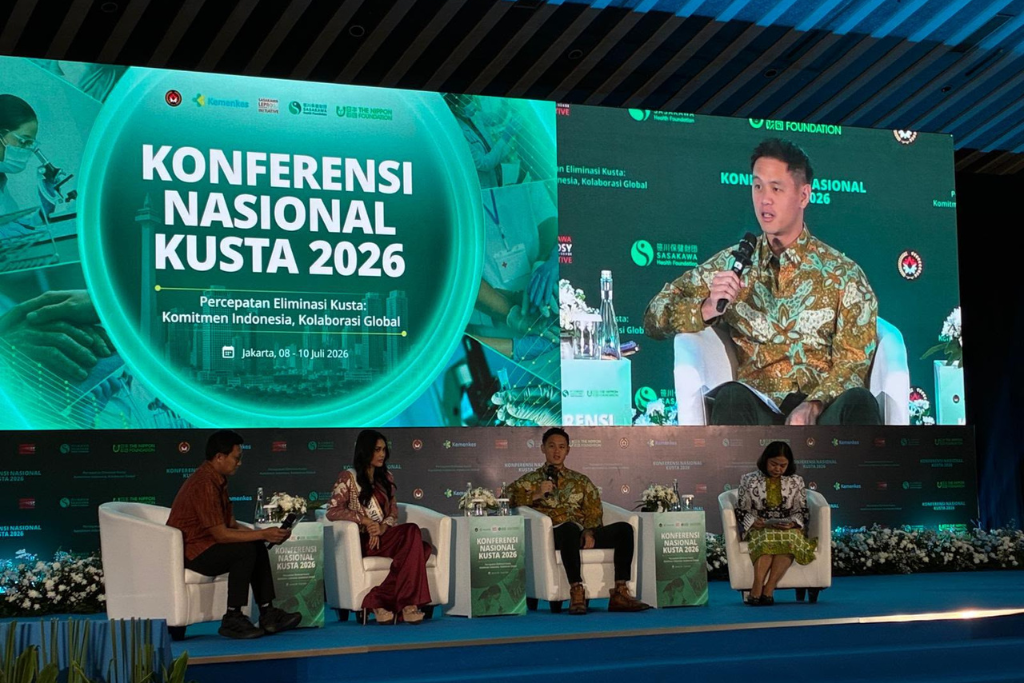
As an artist and documentarian, my work observes the human form, not only in its independent anatomy but its placement within our social architecture. At Indonesia’s first National Leprosy Conference in Jakarta this July, I was asked to speak about young people and stigma. I offered the room a confession: My generation did not invent the fear of kusta (leprosy), but we have been complicit in perpetuating it. We inherited it from our grandmothers’ words, in schoolyard jokes, in the empty seat beside a classmate no one would touch. What makes our inheritance different is that we are the first generation to receive this fear after the cure already existed. The medicine has been free in community health centers for longer than most of us have been alive. Our fear is not information. It is simply a habit.
Fortunately, my generation specializes in being intentional about habits. When we like a tradition or cultural form, we promote it: We made batik fashionable again and carried our dangdut and koplo music onto global playlists. When we decide something old no longer serves us, we stop giving it our attention and participation. That is our intention for stigma. Through a digital movement that changes who holds the camera, so that images are co-authored by persons who have experienced leprosy, we will replace sensationalized pity with portraits of dignity. We will reframe early detection as an act of love between generations. A young person bringing an elder for a skin check will become a demonstration of care like checking a family member’s blood pressure.
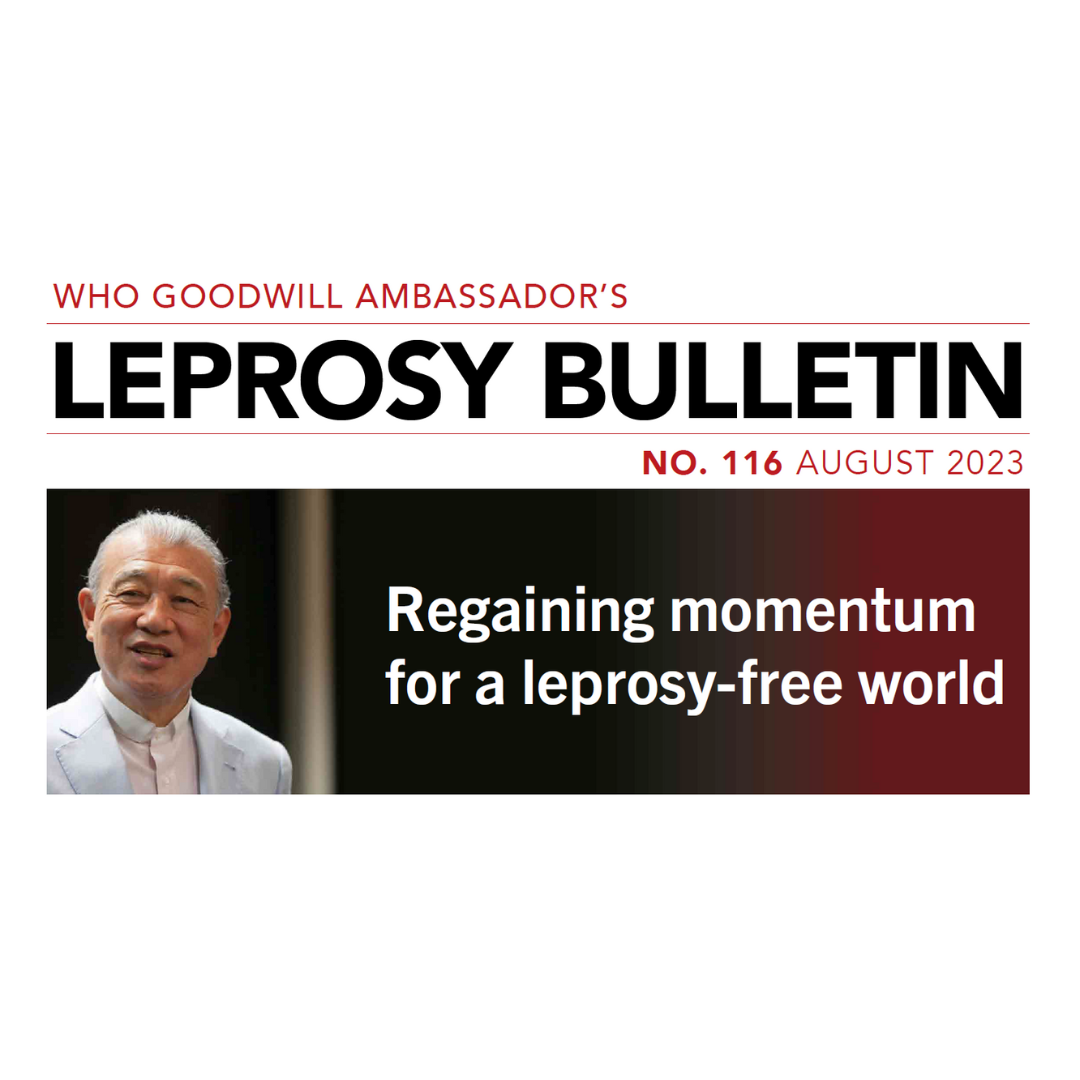
A field visit a few days after the conference taught me what the podium could not. I met a father who had completed treatment years ago. Although cured and unable to transmit the disease, he was rejected by his own family upon returning home. The bacterium was defeated by months of free medication; the banishment has lasted decades. My mentor, WHO Goodwill Ambassador Yohei Sasakawa, teaches that leprosy is two diseases: the infection that science has conquered and the social disease of stigma. He compares the fight to a motorcycle: the front wheel is the cure, the back wheel is ending discrimination. I watched the Minister of Health respond to the father with a promise to help him go home and experience acceptance. The cure ends the disease; only society can end the exile.
The exile is multifaceted. Exile from family and community is one type. Exile from workplaces is another. Almost no workplace will knowingly hire a person who has had leprosy. Cultural work to change habits and reduce stigma must be accompanied by structural change. Provincial governments could voluntarily create alternative hiring pathways in public services and state-owned enterprises. Municipalities could offer tax incentives or prioritized licensing to companies with documented inclusive hiring. Corporate leaders could adopt medical evaluation protocols that decouple a past, treated infection from employment eligibility. Economic exile will end when public policy, business practice, and local markets are structured so that a past diagnosis of leprosy no longer closes the door to livelihood opportunities.
The cure was the previous generation’s gift to the world. Ending social and economic exile must be ours.